The Fires of Emaris
Emaris has fallen to a tyrant daemon king. Its people are enslaved, frightened, and running out of places to hide.
That's the setting. The campaign is about what people hold onto anyway — the loves, the friendships, the families that outlast a place built to break them. Epic fantasy drama, played on D&D 5.5E with a stack of house rules of our own.
The house rules
Emaris runs on D&D 5.5E, but not the version off the shelf. The core still applies and most rolls work the way they always have — what changes is everything the campaign leans on hardest: the magic system, core ability leveling, and the mechanics that reward collaboration.
Collaboration matters in any tabletop game. This one asks for more of it than D&D alone provides, so our rules fill the gap. Our players track all of it in a character sheet app we built for this campaign, so nobody is doing the math on a napkin at the table.
9 players
The King's Hunt (5) · The Quarry (4)
5 players
The King's Hunt
In service of the king, these adventurers seek Firestorm, fame, and fortune.
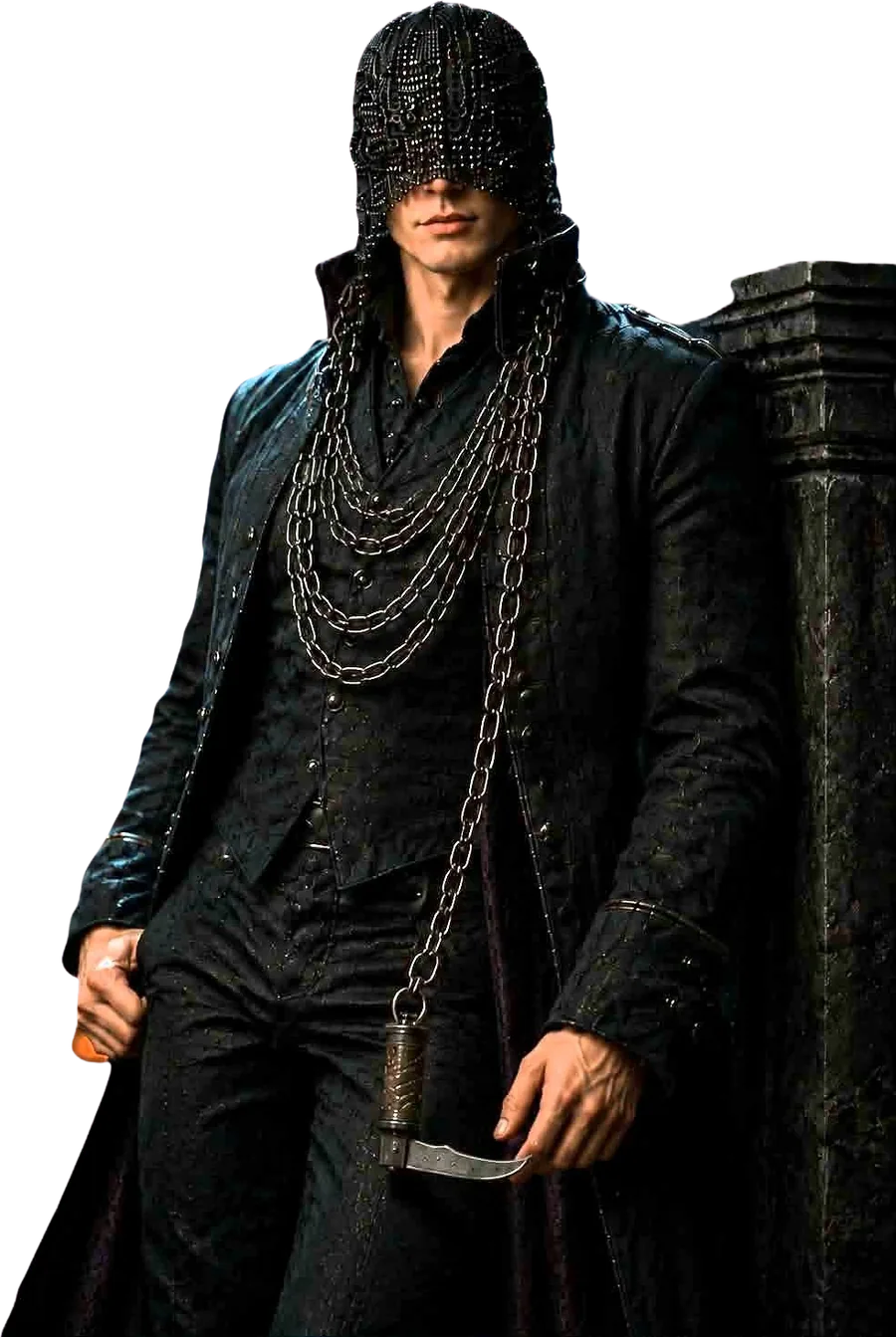
Knox
The Monster
Devastation is my calling. Those who do not kneel will be made to.

Vespera Redvenom
The Antihero
Power is found in the blood of those that fail to succumb to the king's wishes. I shall drain them of every drop.
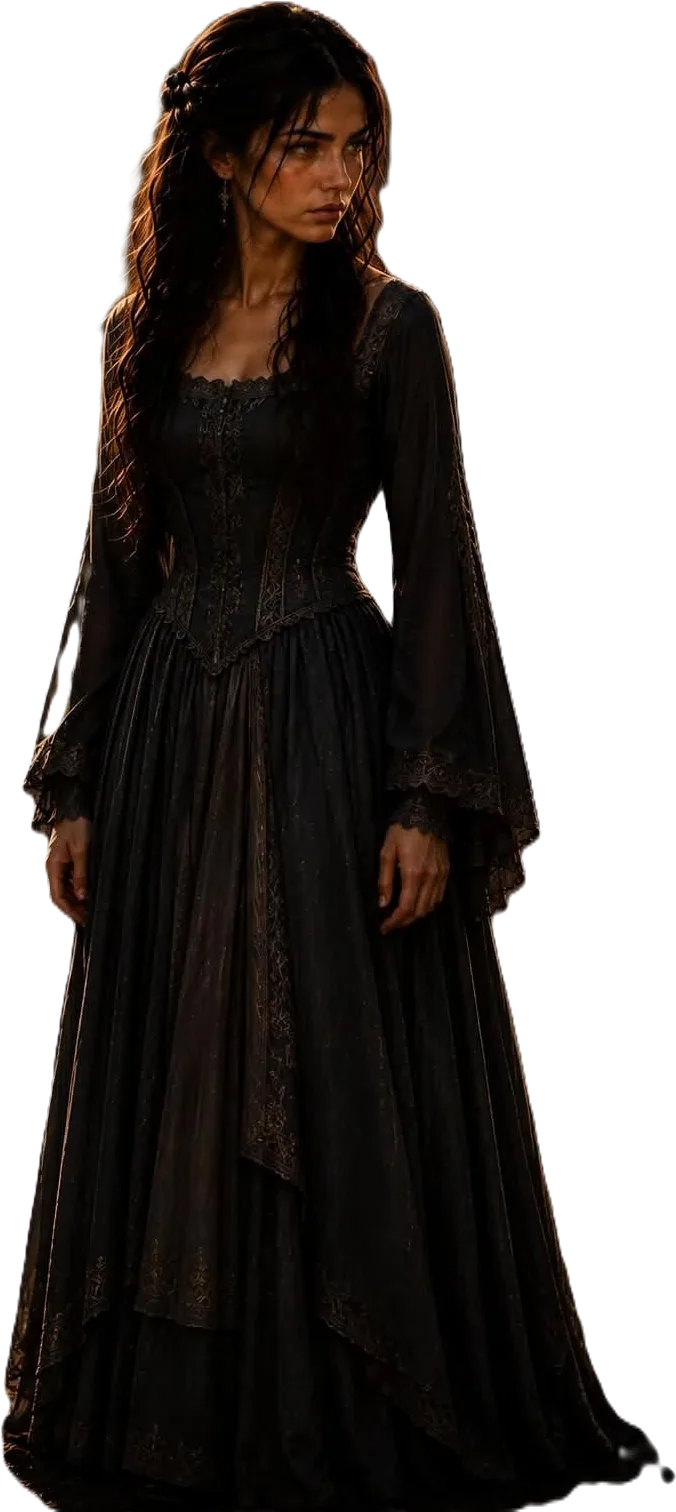
Thalia Keraunis
The Survivor
Where do you start? Is there ever a good beginning to my story, or is every interaction a chance for change?
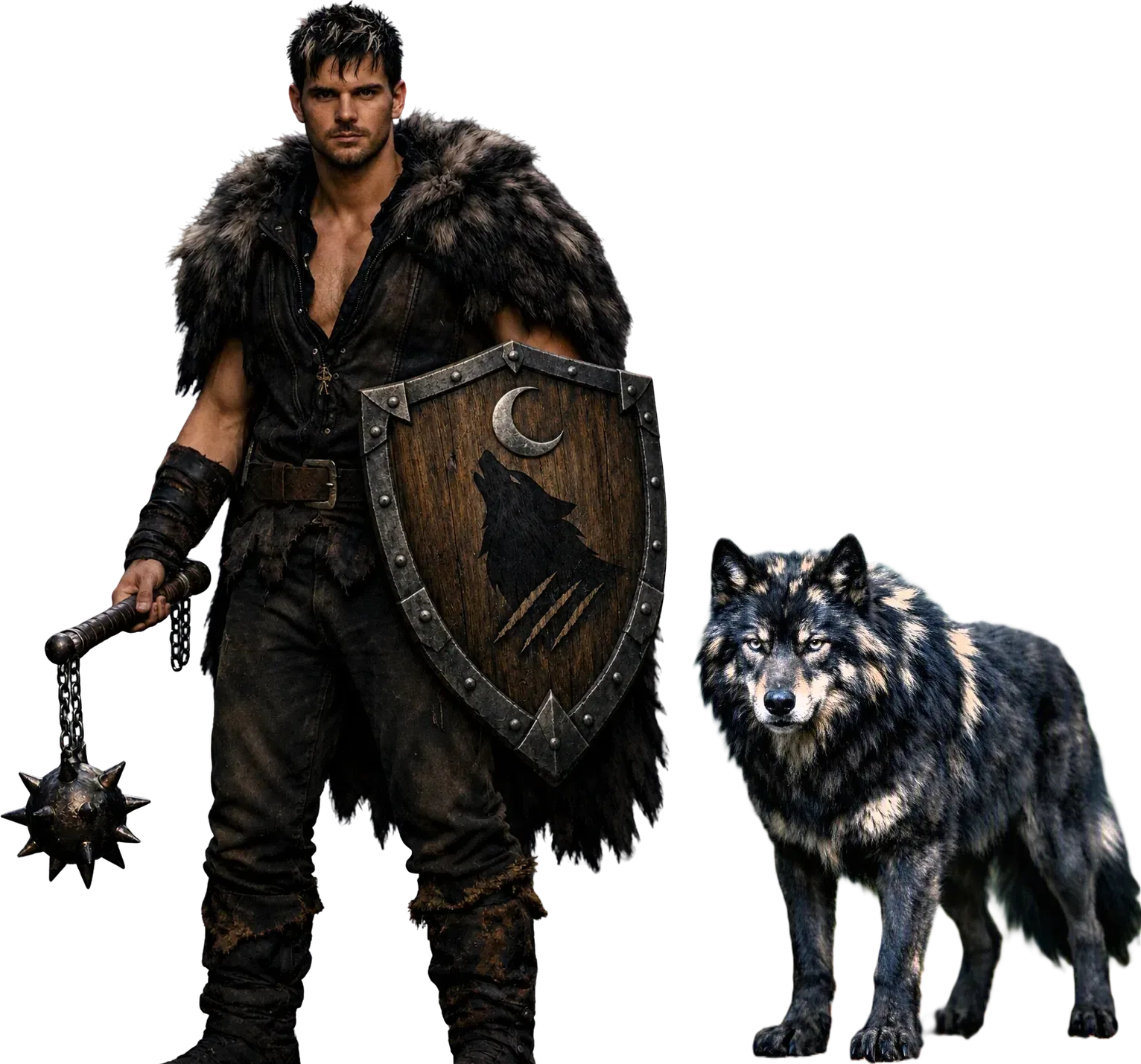
Lukas Oberon
The Exiled
Betrayed by his kin, he will do anything he can to gain the status he deserved.
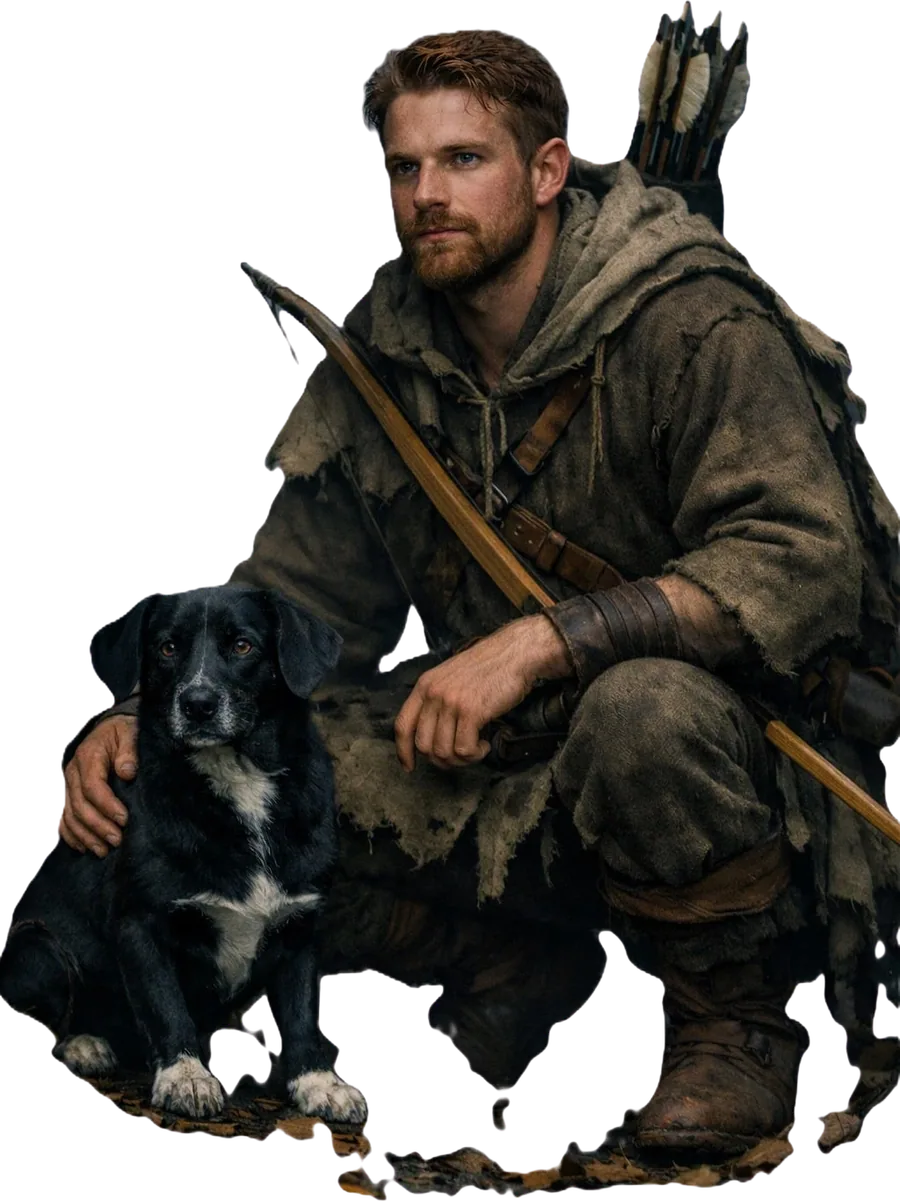
Roderick Haas
The Idealist
Disloyalty breeds insurrection. I will be loyal to my king, no matter the cost.
4 players
The Quarry
Suffering under a tyrant king, these adventurers dedicate themselves to bringing down the legacy of Tysorinth.
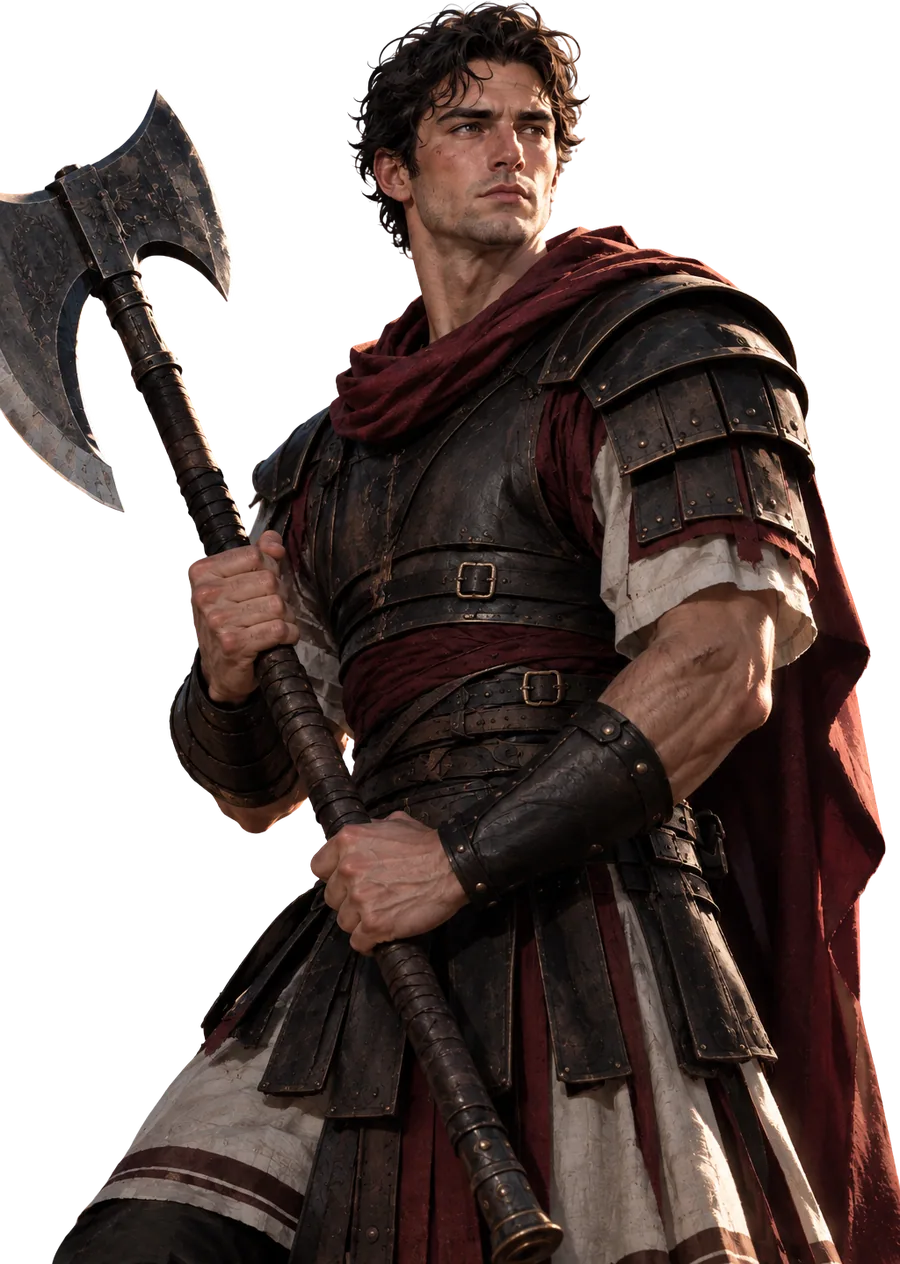
Talis Ogmore
The Guardian
Can a son live up to the family legacy with courage, or with duty?
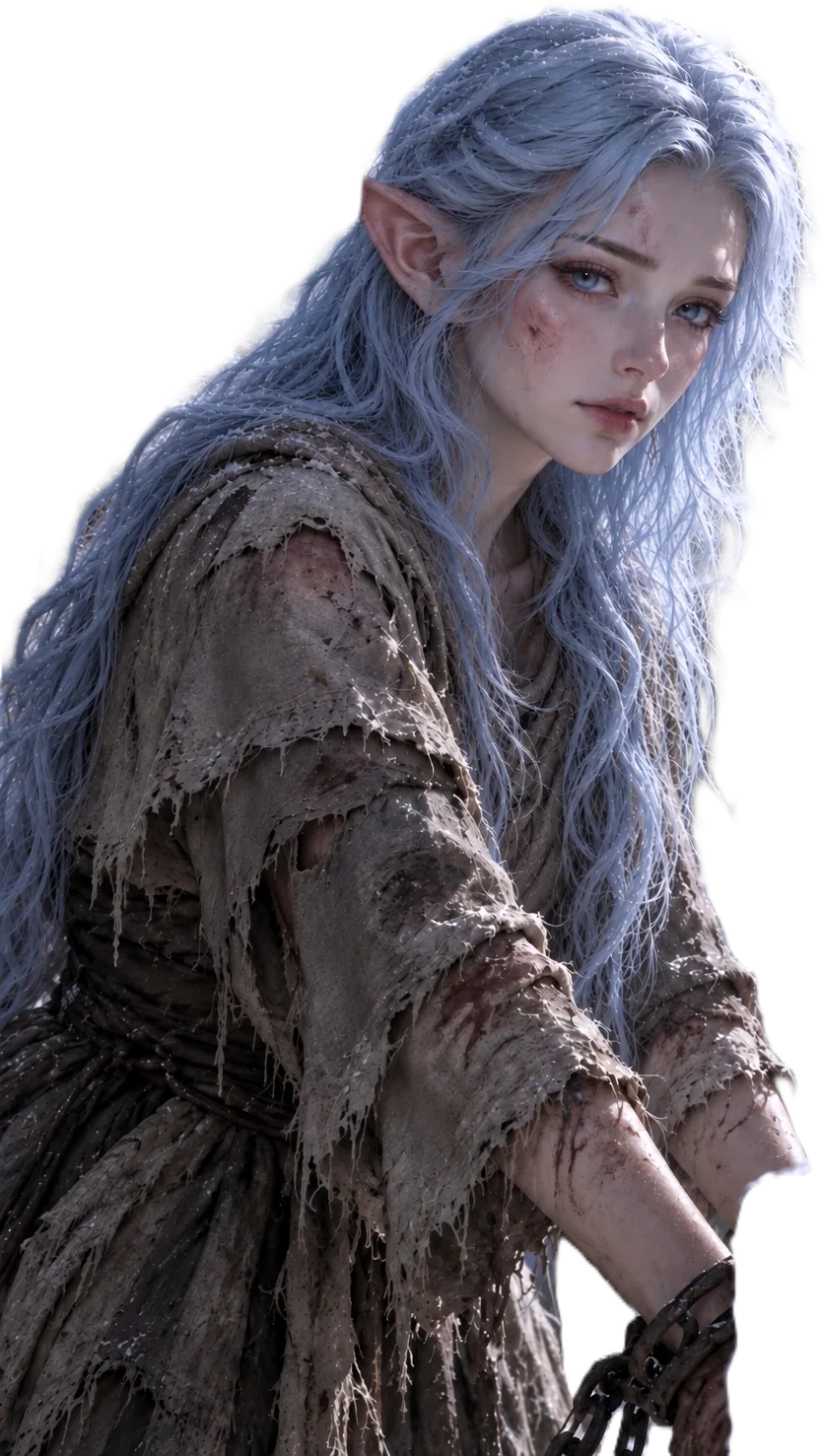
Astraea Elenvar
The Orphan
Is it purpose, or accident, that brings those we love to their knees?
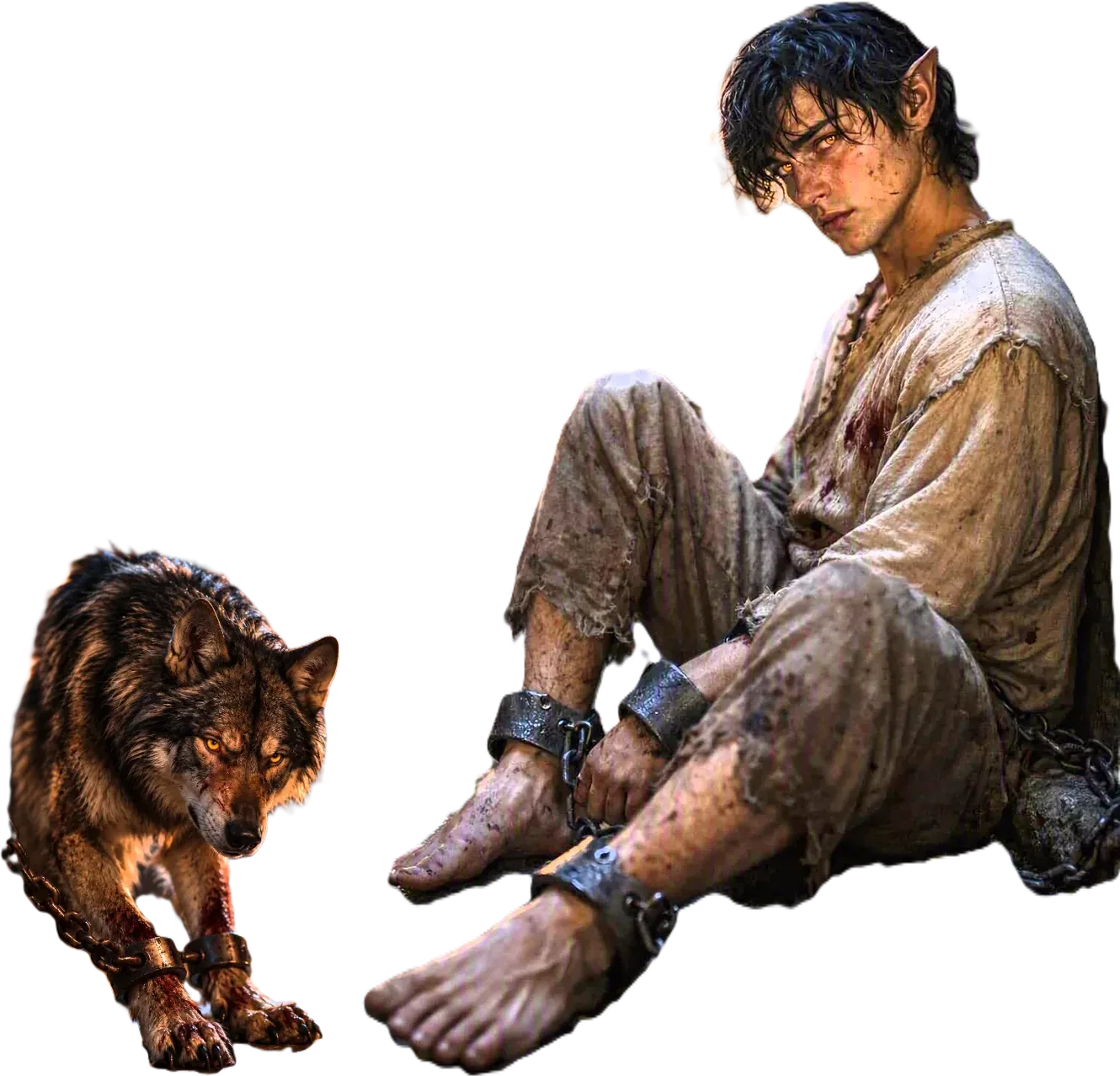
Alden Valen
The Mentor
Those who win are those who understand the power of language.
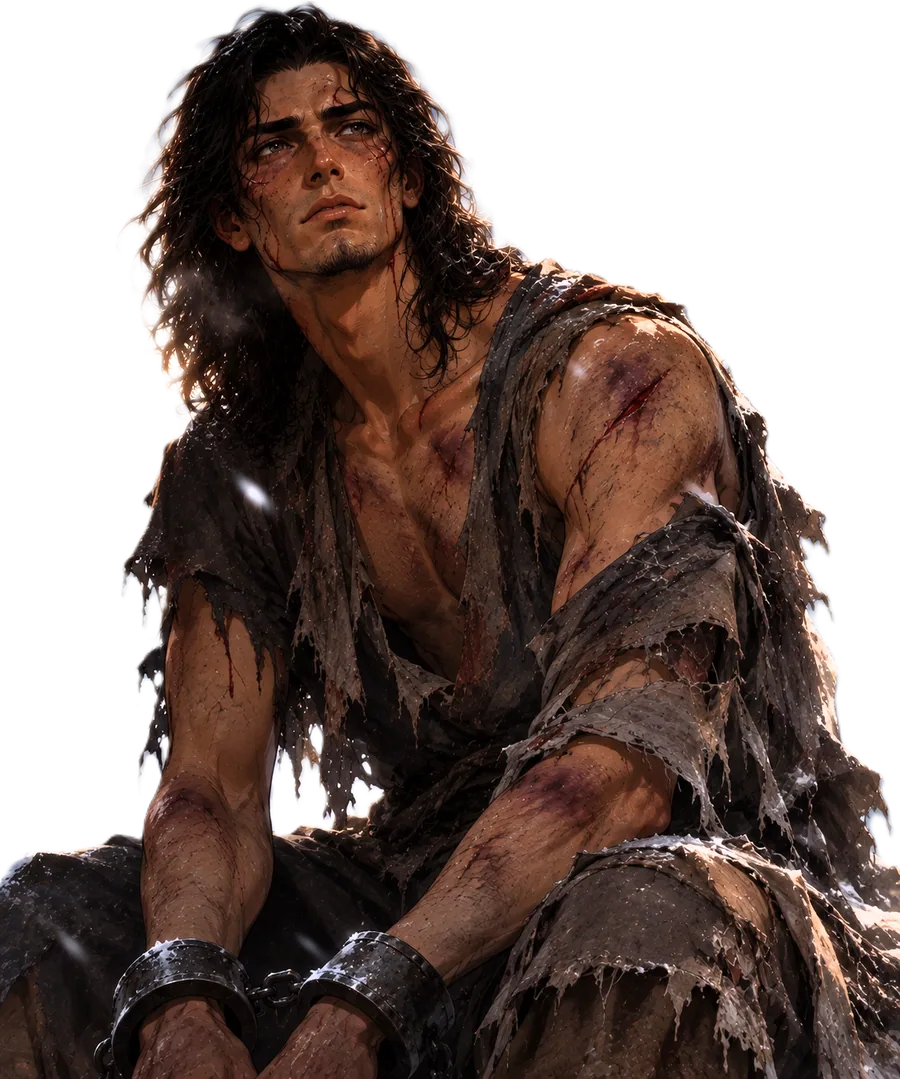
Alistair Voss
The Paladin
Can a man who has lost everything find a reason to carry on? Can wrong-doings really be made right?
A wartorn continent
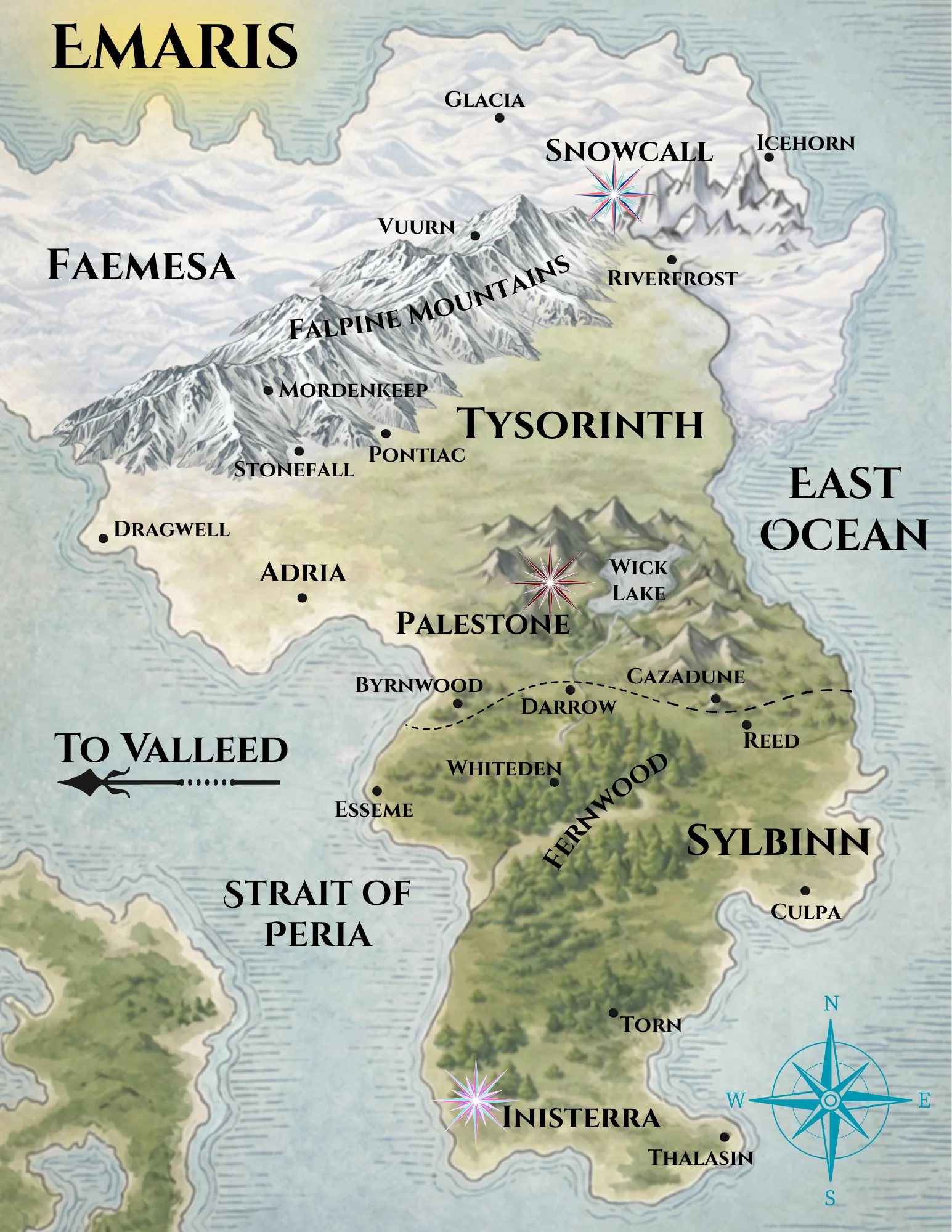
Emaris has suffered a terrible fate at the hands of a tyrant daemon king. Its people are distressed, enslaved, and living in constant fear.
Four kingdoms hold the continent. Three are sylvanni — Sylbinn, Faemesa and Valleed. One is human: Tysorinth.
The regime
A fantasy feudal system, running on localised power, magical inequality, and reciprocal contracts. Survival depends on mutual agreement rather than centralised law.
Seventeen years ago Tysorinth waged a war of eradication against the Amaryllis bloodline of Sylbinn. Sylbinn fell to the first daemon king and became a vassal state. Neither Faemesa nor Valleed came to its aid.
Since the war the Children of Zoe Amaryllis have been hunted, and either enslaved or killed. Hopeful rumours keep surfacing across the continent — that the Firestorm still burns.
4 rules
How the rules actually work
Four of the changes that matter most at the table. The rest live in the players' compendium.
01 / 04
Willpower
Willpower replaces the Bond, Flaw and Ideal of standard D&D. It is the core mechanic for channelling extraordinary power, and it exists to push players toward deep relationships between their characters and the people around them. Mechanically, it represents a character's current will to live.
It is gained through progressive anchors set in your narrative — a person, an ideal, a personal goal. Starting anchors are agreed before the first session, and after each session the other players and the DM measure them and adjust.
02 / 04
Bloodline magic
The largest departure from standard D&D. There, magic is readily available, recharges on a rest, and costs nothing to spend regardless of level. That works for traditional settings. It does not work here.
Magic is a living void — a force that must be handled with care and practice, and learning to reach your bloodline magic is exactly as difficult as learning not to get lost in it. It cannot be taught to anyone without magical blood. Sylvan magic always passes down and never skips a generation; human magic can.
03 / 04
Progressive leveling
Magic works the way abilities do: you train into it over time, and the more you practise the higher a caster you become. It is measured after each session.
There are five spellcasting levels and each one adds a die — damage on d8s, shields on d6s, with purebred wielders rolling an extra d8 for an undiluted bloodline. The cost to cast is your spellcasting level, though a higher-level caster may choose to cast lower and pay less. Magic is measured in mana rather than spell slots, specifically so that overcasting can work.
04 / 04
Oblivion
When willpower is spent, every resource exhausted, and it is still not enough to stand up — sometimes the injury is simply too lethal, and all that is left is hope.
Oblivion is the most powerful thing in this game and it costs everything: a character's final act of defiance to save their friends. Someone who has failed their death saves gets back up and devastates the enemy, often ending the fight outright.
Making it dramatic is the point — last proclamations, secrets never said, hopes for a better world. If you cannot think of any, oblivion is not available to you.
Still going
Every session so far, in order. You don't need to start at the beginning — pick a session and come along.